
Dallas and North & West Texas
Our mission is to save lives by meeting the most critical needs of our communities and investing in breakthrough research to prevent and cure breast cancer.
Dallas and North & West Texas
Our mission is to save lives by meeting the most critical needs of our communities and investing in breakthrough research to prevent and cure breast cancer.
Need Help?
Call our breast care helpline to assist with finding local screening and diagnostic facilities or clinical research trials, requesting financial assistance, or other questions or care needs.
Get Involved
Help us reach our vision of a world without breast cancer by getting involved in our local community.

Susan G . Komen Dallas North Texas
Saturday, October 19, 2024
Save the date! Event information and registration are coming soon! Be sure and join our Facebook page to learn more!
Learn More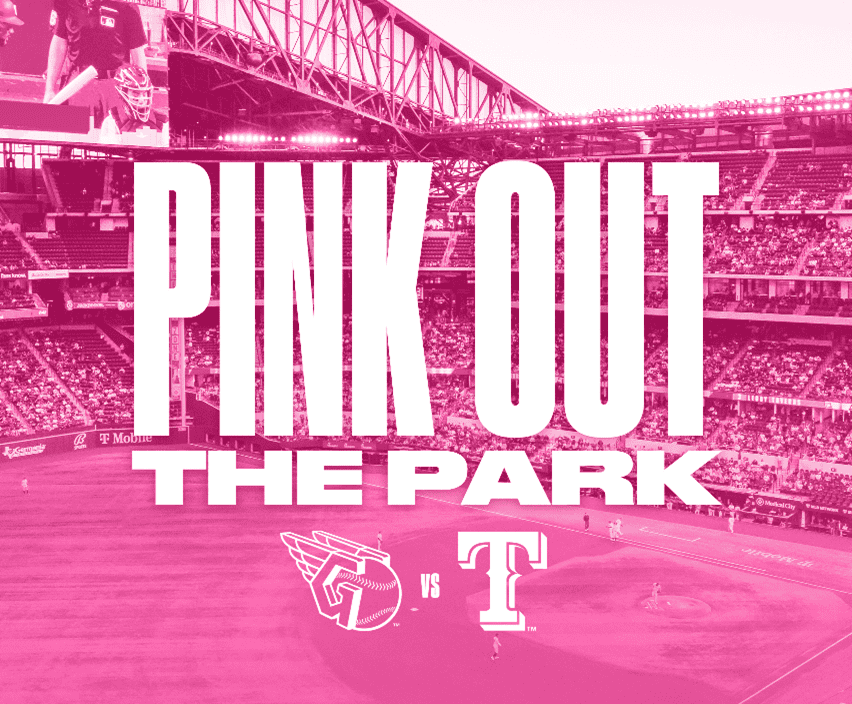
Pink Out Globe Life Field
Support the fight against breast cancer as the Texas Rangers take on the Cleveland Guardians. A portion of each ticket purchased through this link goes towards Susan G Komen.
Komen will receive half of the proceeds from the 50-50 raffle during the game!
Rangers vs. Guardians
Tuesday, May 14, 2024 7:05 PM CDT
Globe Life Field, Arlington, TX

Support Komen in North Texas
FOOD
Friday, May 10 | Taziki’s Mediterranean Cafe | Dine out for the cure! Mention Susan G. Komen and Taziki’s will donate 15% of all in-person sales to support our fight against breast cancer. This opportunity is available in all locations in the DFW area: Plano, Southlake, and Dallas.
FASHION
Sunday, April 28 | Rose and Remington | Shop for the cure! Shop online using code: KOMEN or join us in person at the Rose and Remington store at Hulen Mall in Ft. Worth from 12:00 p.m. to 6:00 p.m. 15% of sales will benefit Susan G. Komen.
Thursday, May 9 | Tory Burch Highland Park | Shop for the cure! Join us at Tory Burch Highland Park from 5:00 p.m. to 7:00 p.m. and discover their spring collection. 20% of the event’s proceeds will benefit Susan G. Komen! RSVP to jspoonts@toryburch.com.
FITNESS
Friday, May 10 & Saturday, May 11 | Pvolve Fort Worth | Sweat for the cure! Join a free (in exchange for a donation of any amount to Susan G. Komen) workout at the newly opened Pvolve Studio on Friday, May 10 at 4 p.m. or Saturday, May 11 at 11:30 a.m. There are only 17 spots in each class and sign ups are first come first serve, you don’t want to miss out! Register for a class here.
FUN
Tuesday, May 14 | Texas Rangers vs. Cleveland Guardians | PINK OUT the Park! Susan G. Komen will receive a portion of proceeds from all ticket purchases made through this link. Once you’re at Globe Life Field don’t forget to buy your tickets for the 50/50 raffle, as Komen will receive half of all proceeds from the raffle.
Contact Us to Learn More
Looking for 2025 Pink Tie Guys!
We’re looking for leaders who are passionate about making a difference in their community to join the Pink Tie Guys program. You will play a critical role in Komen’s efforts to end breast cancer forever by raising funds for groundbreaking research and programs that support patients now. Pink Tie Guys are professional, community leaders and fathers, husbands, brothers and sons who want to support Komen’s mission to save lives.
Contact us to learn more!
Thank you to our 2023 Dallas North Texas MORE THAN PINK Walk sponsors.
| Presenting Sponsor | Bronze Sponsors |
| Tom Thumb/Albertsons Foundation | Bank of Texas |
| Media Sponsors | BCBS |
| Fox 4 | Comerica |
| NBC 5 | Envision |
| Cumulus Radio | HF Sinclair |
| Radio One | EY |
| Pillar Sponsors | Fidelity Investments |
| Global Payments | JP Morgan Chase |
| Smurfit Kappa | Lori’s Gifts |
| UT Southwestern | Medical City |
| Silver Sponsors | Sherwin Williams |
| Gilead | Two Men and A Truck |
| Stacy’s Chips | United Health Care |
Local Events
Join the fight to end breast cancer by attending an event in Dallas and North & West Texas!
Questions? Contact Us

ShareForCures
Your breast cancer information is as unique as you are. When combined with thousands of other ShareForCures members, you provide scientists with a more diverse set of data to make new discoveries, faster.
Latest News & Information
Nikki’s Story: I’m Not Going to Let Cancer Steal My Sparkle
Nikki Anderson’s cancer journey began with a uterine cancer diagnosis in her 30s, which was followed by a breast cancer diagnosis six years later. She celebrates her journey by fundraising for the Komen 3-Day with Team Sparkle, inspired by her own adage: “I’m not going to let cancer steal my sparkle.”
The post Nikki’s Story: I’m Not Going to Let Cancer Steal My Sparkle appeared first on Susan G. Komen®.
Susan G. Komen® Peoria MORE THAN PINK Walk Raises Funds for Breast Cancer Patient Care Services in Illinois
Susan G. Komen®, the world’s leading breast cancer organization, will hold the Susan G. Komen Peoria MORE THAN PINK Walk on Saturday, May 11, 2024, at Metro Centre. This signature event enables Komen to raise critical funds that provide direct support to breast cancer patients, fund groundbreaking research, empower health equity initiatives nationwide, and advocate […]
The post Susan G. Komen® Peoria MORE THAN PINK Walk Raises Funds for Breast Cancer Patient Care Services in Illinois appeared first on Susan G. Komen®.
Dallas and North & West Texas
Contact Us
Susan G. Komen Dallas and North & West Texas
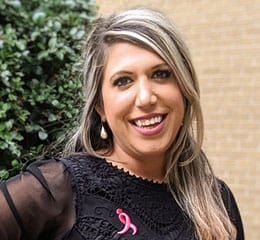
Executive Director: Sofia Olivarez
Email: solivarez@komen.org
Phone: 972-708-1719